
Comprehensive Guide to Cybersecurity for Small Businesses


Understanding Cybersecurity
In today's digital age, cybersecurity is a critical concern for small businesses. With increasing threats like phishing attacks, malware, and data breaches, it's essential to understand the basics of protecting your business. Cybersecurity involves safeguarding information systems from theft or damage to the hardware, software, and the data they manage.

Small businesses may assume they're too insignificant to be targeted, but this couldn't be further from the truth. In fact, many cybercriminals view small businesses as easy targets due to their often limited resources and lack of robust security measures.
Identifying Common Threats
To effectively defend against cyber threats, it's important to know what you're up against. Here are some common cybersecurity threats that small businesses face:
- Phishing Attacks: Deceptive emails or messages designed to trick users into revealing personal information.
- Ransomware: Malicious software that locks data or systems until a ransom is paid.
- Malware: Software designed to cause harm to a computer or network.

Understanding these threats is the first step in developing a comprehensive cybersecurity strategy. Regular training and awareness can help mitigate the risks associated with these threats.
Implementing Security Measures
Once you understand the threats, the next step is to implement security measures to protect your business. Here are some essential steps:
- Use Strong Passwords: Ensure all passwords are complex and changed regularly.
- Install Antivirus Software: Protect devices with reputable antivirus and antimalware programs.
- Regular Software Updates: Keep all software up to date to protect against vulnerabilities.
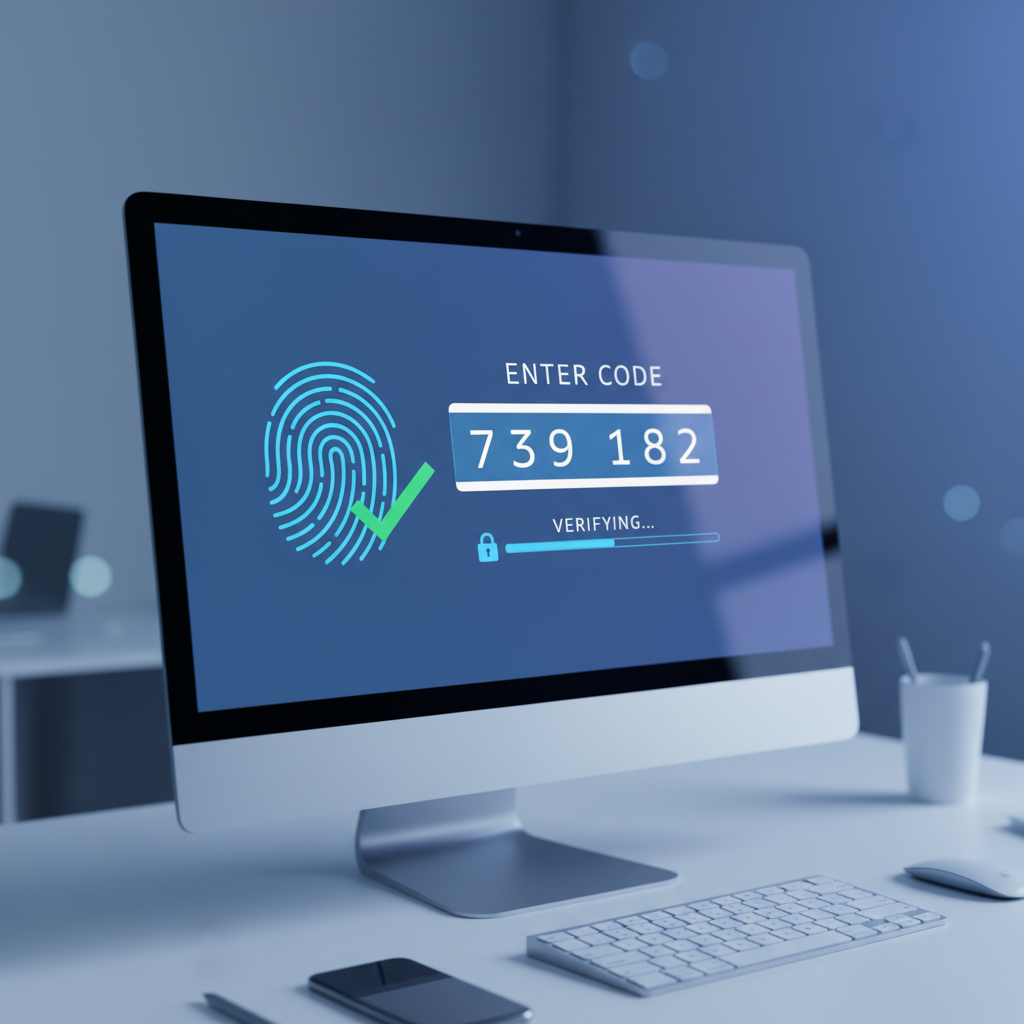
These measures form the foundation of a robust cybersecurity plan. Regularly review and update these strategies to adapt to new challenges.
Educating Your Team
One of the most effective ways to protect your business is to educate your team. Employees are often the first line of defense against cyber threats:
- Conduct Regular Training: Schedule regular training sessions to keep staff informed about the latest threats.
- Encourage Safe Practices: Promote best practices such as verifying email sources and not opening suspicious links.

By fostering a culture of cybersecurity awareness, you empower your team to be vigilant and proactive in protecting company data.
Developing a Response Plan
Despite best efforts, breaches can occur. Having a response plan in place ensures you can act quickly to minimize damage:
- Identify Key Personnel: Designate a team responsible for managing incidents.
- Establish Procedures: Develop clear protocols for responding to different types of breaches.
- Regular Testing: Test your response plan regularly to ensure effectiveness.
Preparation is key to reducing the impact of a cyber incident, ensuring your business can recover swiftly and effectively.