
Comprehensive Guide to Cybersecurity for Small Businesses


Understanding the Basics of Cybersecurity
In today's digital age, cybersecurity has become a critical concern for small businesses. With the rise of cyber threats, understanding the basics of cybersecurity is essential to protect your business assets and customer data. Cybersecurity involves implementing measures to safeguard computers, networks, and data from unauthorized access or attacks.

Common Cyber Threats
Small businesses face a variety of cyber threats, including:
- Phishing Attacks: Deceptive emails designed to steal sensitive information.
- Ransomware: Malware that encrypts data and demands a ransom for its release.
- Malware: Malicious software that can damage or disable systems.
- Data Breaches: Unauthorized access to confidential data.
Understanding these threats is the first step in protecting your business.
Implementing Strong Password Policies
One of the simplest yet most effective cybersecurity measures is implementing strong password policies. Encourage employees to use complex passwords that combine letters, numbers, and symbols. Regularly updating passwords and using two-factor authentication adds an extra layer of security.
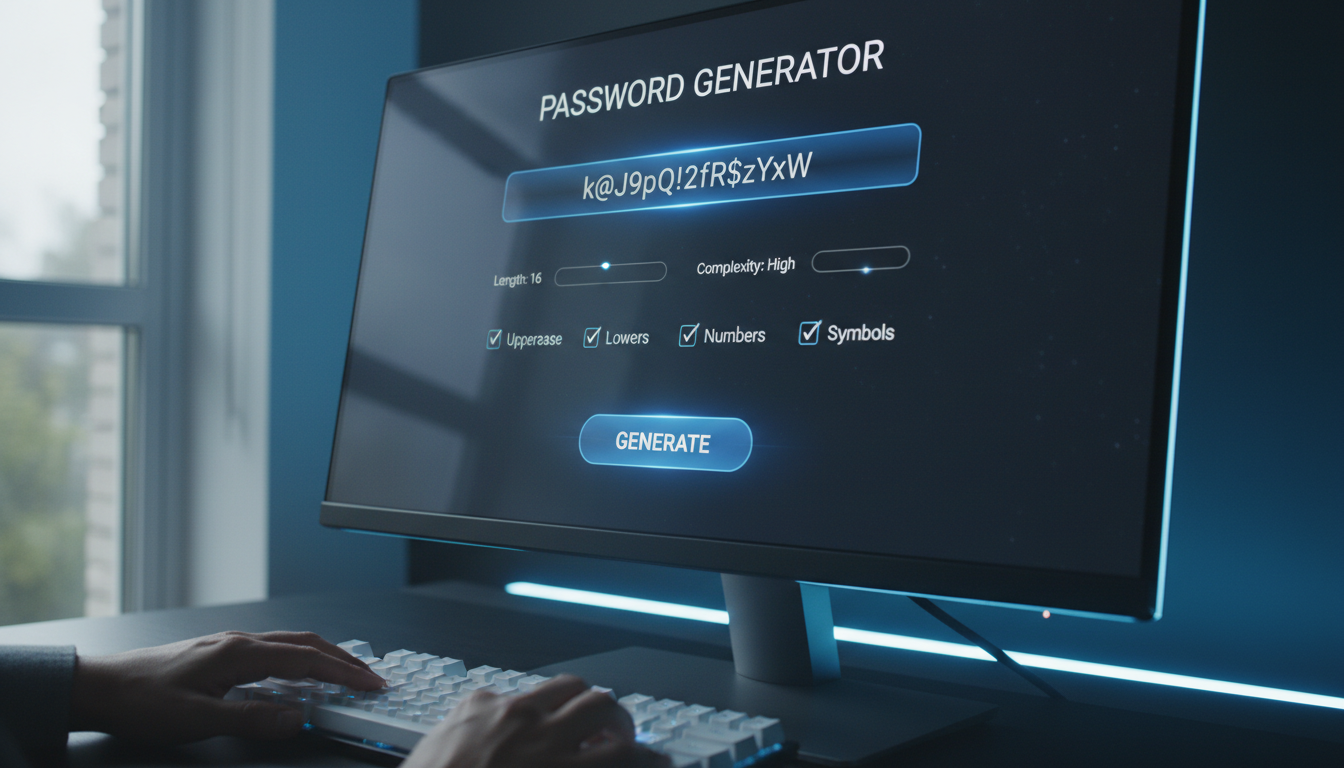
Investing in Security Software
Investing in reliable security software can significantly reduce the risk of cyber attacks. Look for antivirus and anti-malware programs that offer real-time protection and regular updates. A firewall can also help by blocking unauthorized access to your network.
Educating Employees
Employees are often the first line of defense against cyber threats. Educating them about cybersecurity best practices is crucial. Conduct regular training sessions to keep everyone informed about the latest threats and safe online behaviors. Encourage vigilance and reporting of suspicious activities.

Regularly Backing Up Data
Data loss can be devastating for small businesses. Regularly backing up data ensures that you can recover important information in case of a cyber attack or system failure. Use both cloud-based and physical storage solutions for redundancy.
Developing an Incident Response Plan
Despite best efforts, breaches can still occur. Having an incident response plan in place allows your business to respond quickly and effectively. This plan should include steps to contain the breach, assess damage, and communicate with affected parties.

Staying Informed and Updated
The cybersecurity landscape is constantly evolving. Staying informed about the latest threats and updates is crucial for maintaining a secure environment. Subscribe to cybersecurity newsletters and participate in forums to stay ahead of potential threats.
Collaborating with Cybersecurity Experts
Consider collaborating with cybersecurity experts to enhance your security measures. They can provide valuable insights and help you implement advanced security protocols tailored to your business needs.
By taking these proactive steps, small businesses can significantly reduce their vulnerability to cyber threats and ensure a safer digital environment.